
If you cook Indian food, you’ve used coriander powder more times than you can count — it’s in almost every gravy, every sabzi, every homemade masala. But most of us never really stop to think about what it is, or why one packet tastes of something and another tastes of almost nothing. So let’s clear that up, simply.
What is coriander powder (dhania powder)?
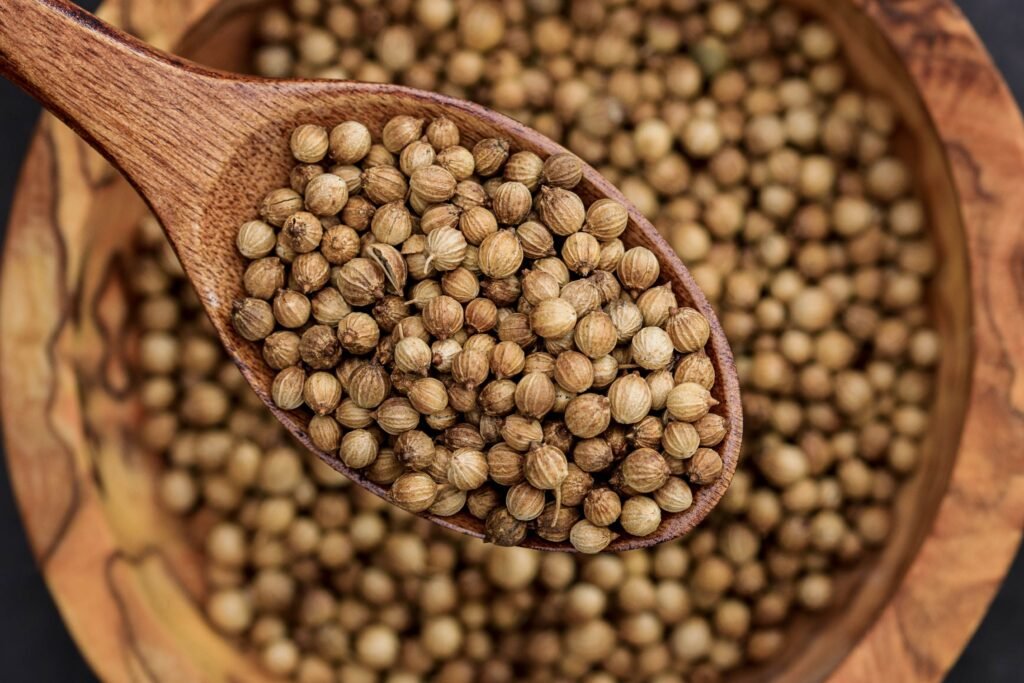
Coriander powder is nothing complicated. It’s just whole coriander seeds, dried and ground into a fine powder. In Hindi we call it dhania powder, and “coriander” is simply its English name — so if a recipe says coriander powder and your dabba says dhania, relax, they’re the same thing.
What makes it special is how gentle it is. It’s mild, warm, a little citrusy, and it never overpowers a dish. That’s exactly why it’s used as a base spice — it quietly holds everything else together instead of shouting over it.
Coriander seeds vs coriander powder
Here’s something worth knowing: a whole coriander seed keeps all its aroma locked inside until the moment it’s ground. Crush it, and the natural oils wake up — which is why freshly ground dhania smells so much stronger than a powder that’s been sitting on a shelf for months.
That’s really the whole story behind freshness. A seed can wait a year and be perfectly fine. A powder can’t — the day it’s ground, the clock starts ticking on its flavour.
How coriander powder is made
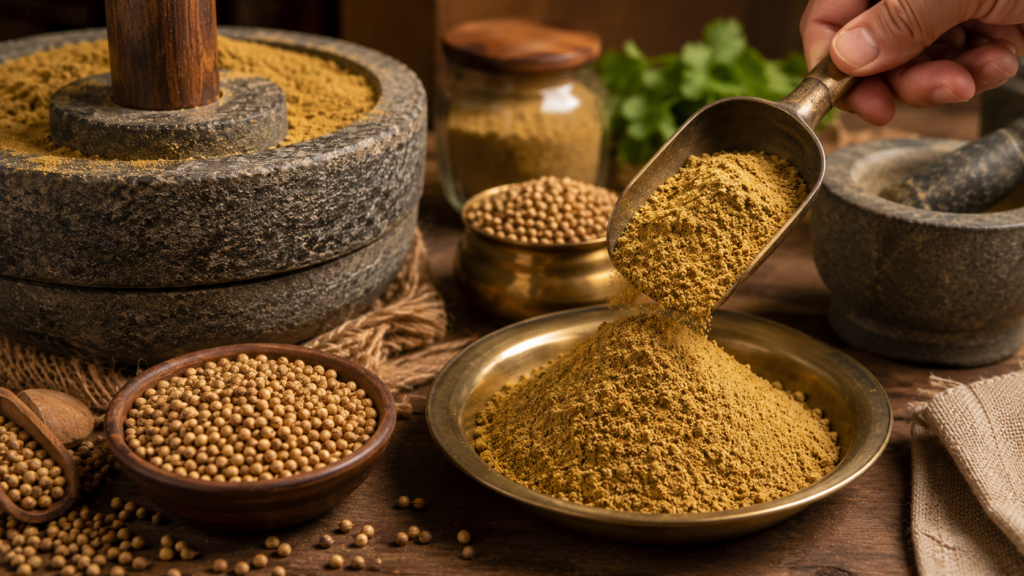
The honest way to make it is boring, and that’s the point: clean the whole seeds, pick out the stones and dust, grind them in small batches, and pack them fresh. Nothing needs to be added anywhere along the way — no colour, no filler, nothing.
That’s how we do it at Gamak small batches, ground fresh, so the aroma actually survives the trip to your kitchen.
How to use coriander powder in everyday cooking
Coriander powder is a bit of an all-rounder. It goes into gravies early, along with the onion and tomato, to build a base. It brings quiet warmth to a dry sabzi without adding heat. It rounds off dals and marinades. And it’s a backbone ingredient in almost any masala you grind at home. If you want the actual recipes and quantities, we’ve written a full guide on how to use coriander powder in cooking
The benefits of coriander powder
Dhania isn’t just about flavour. In Indian homes it’s long been trusted for digestion and its cooling nature — a small, everyday spice that quietly does more than you’d expect. We’ve gone deep into the health benefits of coriander powder in a separate post if you’re curious.
How to tell if your dhania powder is pure
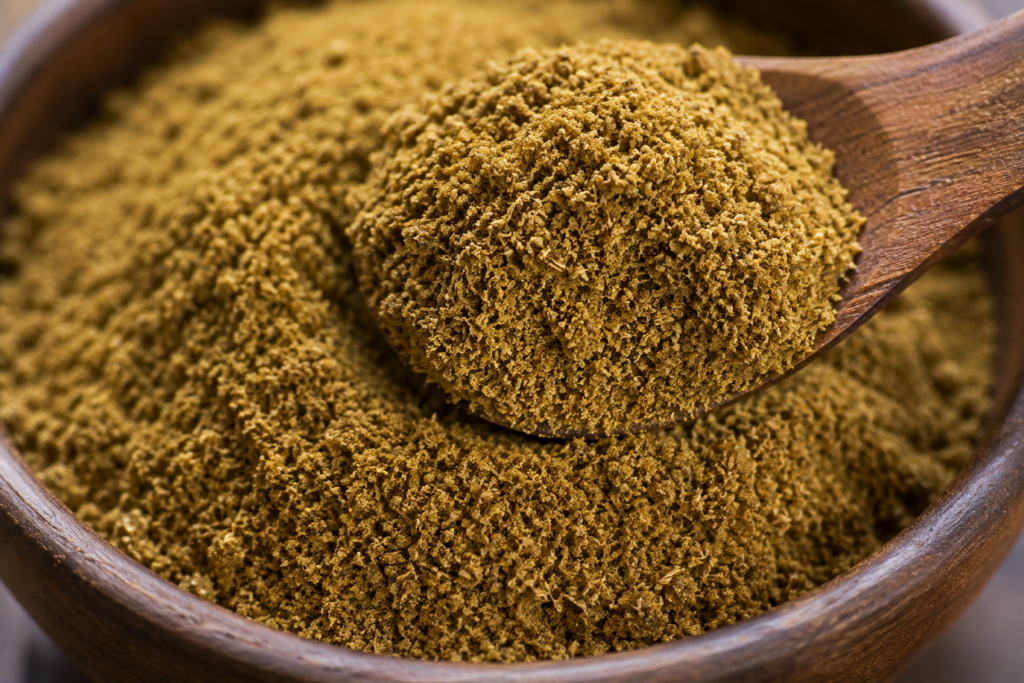
Not every coriander powder is the same. Some is bulked up, some is just old and dull, and the sad part is you often can’t tell just by looking at the packet. But you usually can tell at home — from the colour, the smell, and how it feels between your fingers. We’ve put together a simple guide on how to check if your dhania powder is pure
How to store coriander powder
Keep it in an airtight container, away from heat and sunlight, and don’t buy more than you’ll use in a few weeks. Ground spice rewards you for using it fresh and punishes you for hoarding it — the flavour just quietly fades once the packet has been open a while.
Frequently Asked Questions
Yes — dhania is the Hindi name, coriander is the English one. Same spice.
From the dried seeds, not the fresh green leaves (that green stuff is dhania patta).
It won’t spoil quickly, but it slowly loses its aroma once ground — so fresher is always better.
If you’re after dhania powder that actually smells like something — for your kitchen or your shop — chat with us on WhatsApp. Pure masala, bulk orders, no fuss.
Milawat se door, swaad se bharpoor.